Hum kaagaz nahin dikhayenge!*
In the summer of 1381, peasants and workers in England plundered towers, manors and palaces. Yet the riches they sought were neither gold nor silver, but parchment—the official records of the state. Great bonfires hurled into the breeze the ashes of documents that declared ownership and obligation, obliterating the written symbols of oppression.
We do not need to look to the 14th century to understand the trauma begotten by the imposition of written records on preliterate cultures. The legacy of the zamindari system continues to haunt the subcontinent today. Even in our time, the demand for paperwork serves as a dog whistle, threatening to dispossess millions who lack their parchment, the fragile markers of legitimacy.
In this session, Randolph C. Head, professor emeritus of History at UC Riverside, will explore the rise of the European information state. How did written records transform society? And how were they weaponized in the age of colonialism and imperialism?
* Popular chant during the Anti-CAA protests in India, literally translated as ‘We won’t show our papers!’

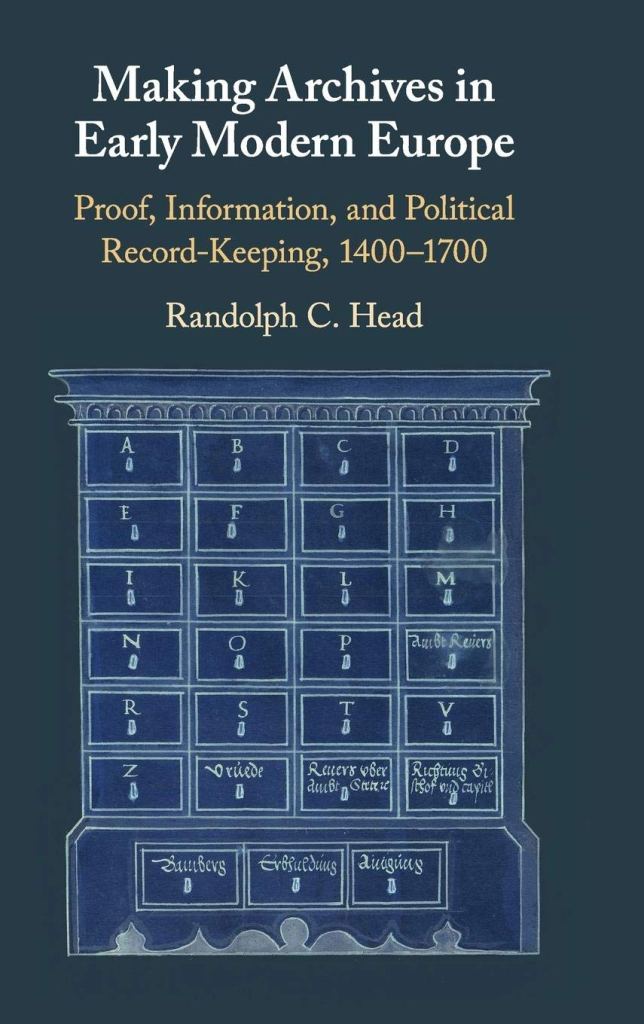
Randolph C. Head is professor emeritus of History at UC Riverside. His research focuses on issues of political culture and practice, religious coexistence and institution formation in comparative European and world perspectives. He is the author of Making Archives in Early Modern Europe: Proof, Information and Political Recordkeeping, 1400-1700 (2019), A Concise History of Switzerland (2013), Jenatsch’s Axe: Social Boundaries, Identity and Myth in the Era of the Thirty Years’ War (2008) and Early Modern Democracy in the Grisons: Social order and political language in a Swiss mountain canton, 1470-1620 (1995).
 Fact or Value