The determination of the times and places of solar eclipses in the past is crucial for astronomy, but requires a variety of tools drawn from the humanities including history, philosophy, and even classical studies. Professor Stanley discussed cases where technical precision in astronomy depended on fundamentally cultural issues.
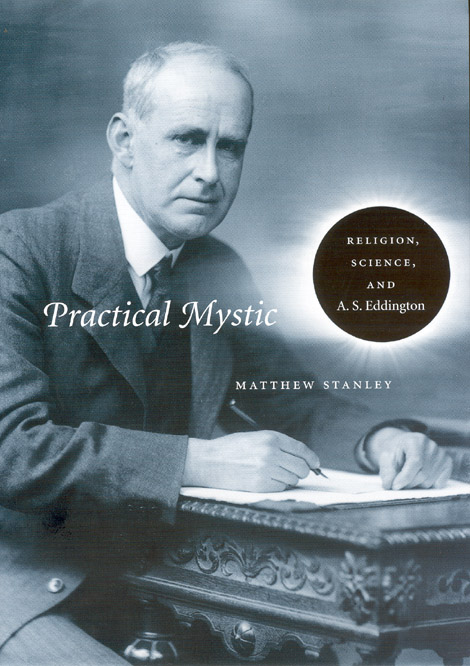
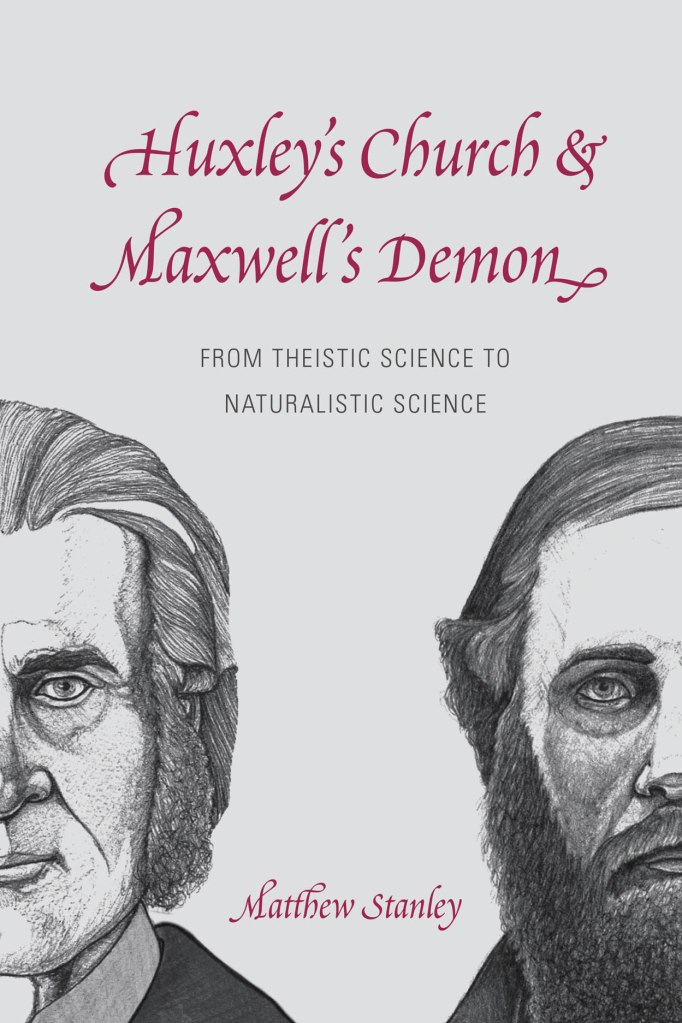
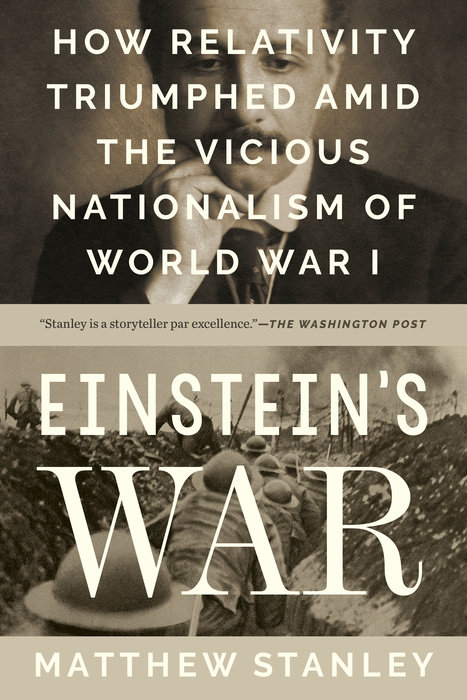
Matthew Stanley is a professor at the Gallatin School of Individualized Study, New York University. He teaches and researches the history and philosophy of science. He is the author of Einstein’s War: How Relativity Triumphed Amid the Vicious Nationalism of World War I (Dutton, 2019), the story of how pacifism and friendship led to a scientific revolution. He has also written Practical Mystic: Religion, Science, and A. S. Eddington (University of Chicago Press, 2007) and Huxley’s Church and Maxwell’s Demon (University of Chicago Press, 2014), which explore the complex relationships between science and religion in history. His current project is a history of scientific predictions of the end of the world. In his spare time, he co-hosts the science podcast What the If?
 Fact or Value